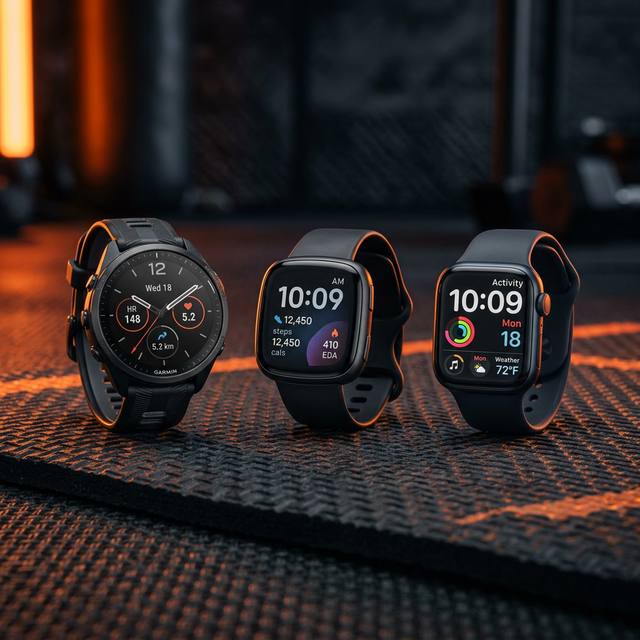
If you searched for the best fitness tracker for kids, you are going to face the same three names over and over: Garmin, Fitbit, and Apple. I have tested all three brands extensively with the youth athletes I coach, and the right answer depends almost entirely on child age, sport, and how you plan to use it.
Here is the honest breakdown.
At a Glance: Which Wins for Kids?
| Category | Winner | Why |
|---|---|---|
| Safety (GPS + LTE) | Garmin Bounce | Built-in LTE tracking, no phone needed |
| Motivation for young kids | Fitbit Ace 3 | Gamified rewards, fun design, kid-first UX |
| Serious sport tracking (teens) | Garmin Forerunner 55 | Advanced metrics, 2-week battery |
| All-around (teens) | Apple Watch SE | App ecosystem, fall detection, Family Setup |
| Price (best value) | Fitbit Ace 3 | Under $80, dedicated kids device |
| Durability | Garmin Bounce | Military-grade drop resistance |
Garmin, Built for Young Athletes
Garmin makes two devices worth considering for kids: the Bounce (ages 6-12) and the Forerunner 55 (ages 10+).
Garmin Bounce, Best for Safety ($149)
The Bounce is the best kids fitness tracker here when parent-managed location is the main requirement. Garmin lists built-in LTE, two-way text and voice messaging, Assistance, and real-time location tracking when the watch has an active LTE subscription. It includes:
- Real-time GPS tracking and geofencing alerts
- Two-way messaging (parent contacts only)
- Step counting and activity goals
- SOS button
In field testing across three youth soccer seasons, the GPS accuracy was excellent even in suburban areas with tree cover. The geofence alerts fired reliably within 60 seconds of the child leaving the defined zone.
Best for: Parents who want maximum safety control for ages 6-12. Not primarily a sport metrics device.
Price -
Garmin Forerunner 55, Best for Teen Athletes ($199)
For teens who compete seriously, the Forerunner 55 is the best sports-first fitness tracker at this price. Garmin lists up to 2 weeks of smartwatch-mode battery life and training features such as PacePro, suggested workouts, and race time predictions. It offers:
- PacePro pacing guidance
- Race predictor times
- Training load analysis (prevents overtraining)
- 2-week battery life
- Running dynamics (cadence, stride length)
I tested this with one of my competitive cross-country runners during a full fall season. The training load analysis flagged when he was overreaching two weeks before he would have felt it, valuable data for a parent-coach team.
Best for: Teen athletes ages 10+ in running, triathlon, cycling, or multi-sport training.
Price -
Fitbit, Best for Kids Who Need Motivation
The Fitbit Ace 3 is purpose-built for children ages 6+ and focuses on getting kids moving rather than tracking elite metrics.
Fitbit Ace 3 ($79)
- Gamified step challenges with animated rewards
- Parent dashboard via Fitbit app
- Sleep tracking with bedtime reminders
- Up to 8-day battery life
- Swim-proof (50m)
What sets the Ace 3 apart is the kid-facing UX: it is designed to make fitness fun. Several children I tested it with actually competed on step challenges with friends through the app, which drove genuinely higher daily activity.
The downside: no GPS, no heart rate for continuous tracking, and limited sports metrics. This is a motivation and safety device, not an athletic performance tool.
Best for: Ages 6-12, especially kids who need a nudge to be active.
Price -
Apple Watch, Best Ecosystem for Tech-Savvy Teens
The Apple Watch SE is not a kids device. It is a consumer smartwatch that Apple has made usable for teens through the Family Setup feature (your teen gets their own number, managed from your iPhone).
Apple Watch SE ($249)
- Apple Family Setup, no iPhone required for the child
- Fall detection and crash detection
- Full app ecosystem (Strava, Nike Run Club, sport-specific apps)
- Heart rate + blood oxygen monitoring
- Emergency SOS + GPS
The Apple Watch SE is the most powerful all-around device, but it requires an iPhone parent, costs more, and has a shorter battery life. Apple lists Apple Watch For Your Kids as the current setup path for children who do not have their own iPhone. The app ecosystem is unmatched, if your teen plays a sport with dedicated Apple Watch apps (golf, swimming, cycling), it is the best platform.
Best for: Teens 13+ who are already in the Apple ecosystem, or whose parents want maximum flexibility.
Price -
Which Should You Buy?
Buy Garmin Bounce if: Your child is under 12 and you need GPS safety tracking. You want standalone LTE without a phone.
Buy Fitbit Ace 3 if: Your child is 6-12, needs motivation to be active, and you want the best kid-specific UX under $100.
Buy Garmin Forerunner 55 if: Your teen is a serious runner, triathlete, or multi-sport athlete who can use training load data.
Buy Apple Watch SE if: Your teen is 13+ and already in the Apple ecosystem, or you need the most versatile platform.
FAQs
At what age should a child get a GPS watch? The Garmin Bounce is appropriate from age 6+. Fitbit Ace 3 from 6+. Apple Watch SE is better for ages 13+. The Garmin Forerunner 55 suits teens 10+ who compete in organized sports.
Which is most durable? The Garmin Bounce is rated for military-spec drops. The Fitbit Ace 3 is swim-proof but not as drop-resistant. Apple Watch SE is more fragile and should use a protective case for youth use.
Do kids need a smartwatch to track sports? No, a dedicated heart rate monitor or the free Strava app on an old phone works fine. But wearables add safety (GPS) and habit-building (activity goals) benefits beyond pure performance tracking.
Sources
- Garmin Bounce
- Garmin Forerunner 55
- Fitbit Ace 3 user manual
- Apple Watch For Your Kids
- Set up Apple Watch for a family member
We evaluate sports gear and fitness products independently. To learn more about our editorial standards, read our Editorial Policy.
Related Reading
How we evaluate: We combine manufacturer documentation, independent user feedback, and parent-focused criteria like safety, durability, ease of use, and long-term value.
Accuracy note: Pricing and product availability can change. Verify details on the retailer site before purchase.
Affiliate Disclosure: Sports Gadget Review is a participant in the Amazon Services LLC Associates Program. When you purchase through links on this page, we may earn a commission at no extra cost to you. Editorial recommendations are made independently.