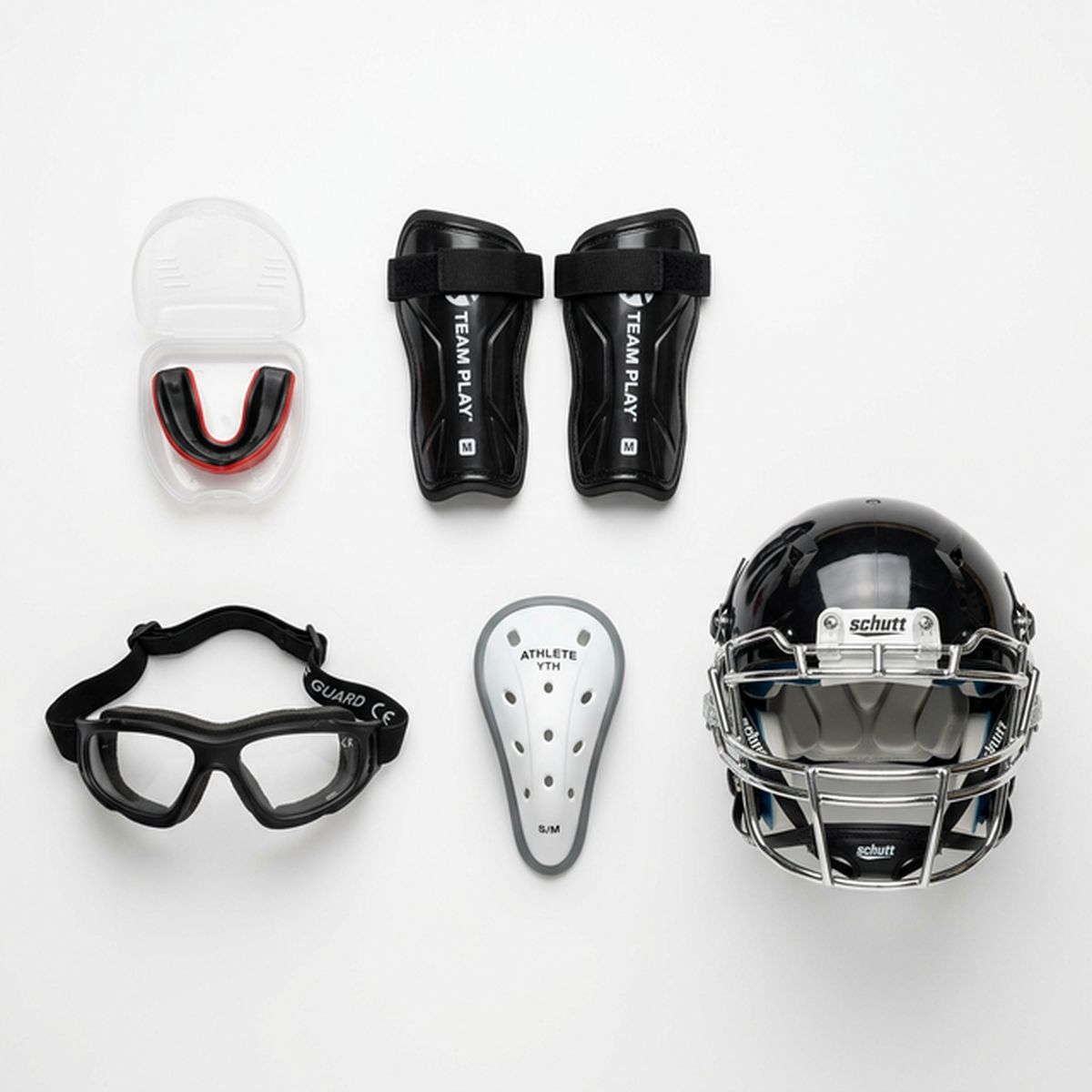
Every year, approximately 3.5 million children under 14 receive medical treatment for sports injuries in the United States, according to Stanford Children’s Health. Many of these injuries are preventable with proper protective equipment. Yet most parents we’ve talked to admit they’re unsure which safety gear is required, which is recommended, and which is marketing hype.
This guide covers every category of youth sports safety gear with specific product recommendations, fit tips, and sport-by-sport requirements.
Mouthguards
Mouthguards prevent dental injuries and may reduce concussion severity. They’re required in football, hockey, lacrosse, and boxing, and strongly recommended in basketball, soccer, and baseball.
Types
Boil-and-bite mouthguards ($5-15) are heated in boiling water, then the athlete bites down to form a custom shape. The SISU Aero Guard ($25) is our favorite in this category because it’s only 1.6mm thin, allowing normal speech and breathing while still meeting safety standards. Traditional boil-and-bite guards from Shock Doctor ($10-15) are bulkier but more protective.
Custom mouthguards from a dentist ($200-400) offer the best fit and protection. They’re worth the investment for any contact sport athlete playing year-round, especially if your child wears braces. The custom fit means they actually keep the guard in their mouth instead of chewing on it on the sideline.
Stock mouthguards ($2-5) from convenience stores are better than nothing but don’t fit well enough to stay in place during play. Avoid them.
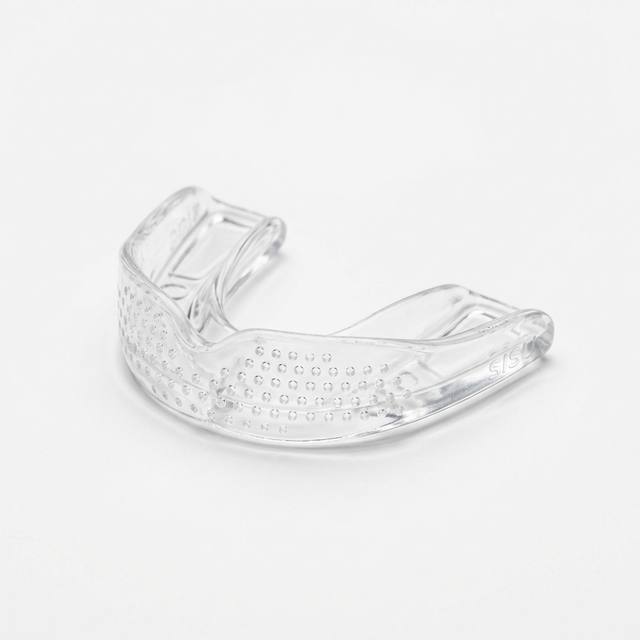 Best Mouthguard
 SISU
SISU Aero Guard Custom-Fit Mouthguard
Only 1.6mm thin — can talk and breathe normally while wearing it
Fit Tips
A properly fitted mouthguard covers all upper teeth and stays in place when the athlete opens their mouth. If it falls out when they talk, it doesn’t fit. If it makes breathing difficult, it’s too thick or poorly molded. Re-mold boil-and-bite guards every season as your child’s jaw grows.
Shin Guards
Required for soccer and strongly recommended for field hockey and lacrosse. Shin guards absorb impact from kicks, sticks, and accidental collisions.
Sizing
Shin guards should cover from 2 inches below the knee to just above the ankle bone. Too short and the lower shin is exposed. Too long and they restrict ankle mobility and slide down during play.
For kids under 10, slip-in shin guards with compression sleeves ($10-15) are easiest to manage. They pull on like a sock and stay put without straps or tape. The Nike Charge Guard ($15) fits well across most youth sizes.
For competitive players 10+, hard-shell shin guards with ankle protection ($15-30) provide more coverage. The Adidas X League Guard ($20) balances protection and weight well.
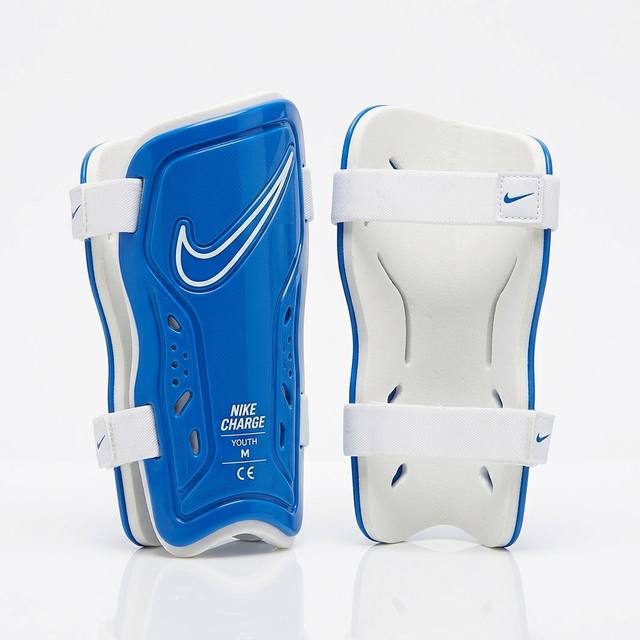 Best Shin Guards
 Nike
Nike Charge Youth Shin Guards
Slip-in sleeve design — stays in place without straps or tape
Replacement Schedule
Replace shin guards every 12-18 months or when they crack, lose their shape, or no longer reach from knee to ankle. Growth spurts mean most kids need new ones every season.
Eye Protection
Eye injuries account for approximately 42,000 youth sports injuries annually, according to the American Academy of Ophthalmology. Sports goggles or protective eyewear are recommended for basketball, racquet sports, baseball, and soccer.
For Athletes Who Wear Glasses
Prescription sports goggles ($50-150) with polycarbonate lenses provide both vision correction and impact protection. Rec Specs by Liberty Sport ($65-100) have been the standard for decades. They mount prescription lenses behind an impact-resistant frame with a secure head strap.
Regular eyeglasses should never be worn during contact sports. They shatter on impact and can cause more damage than the ball or elbow that hit them.
For Athletes Without Glasses
Clear polycarbonate sports goggles ($20-40) protect against finger pokes in basketball, ball impacts in racquet sports, and accidental elbows in soccer. The Leader T-Zone ($30) fits youth faces well and doesn’t fog as badly as cheaper alternatives.
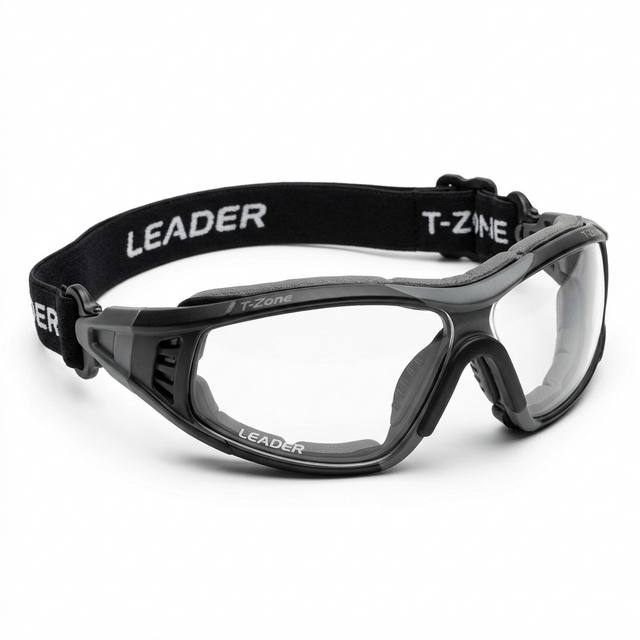 Best Goggles
 Leader
Leader T-Zone Youth Sports Goggles
Polycarbonate lenses withstand ball impact — fits youth faces without slipping
Protective Cups and Compression
Athletic cups are essential for baseball catchers, hockey players, and lacrosse players, and recommended for any sport with projectile impact risk. Despite their importance, this is the piece of equipment kids resist wearing most.
Compression shorts with built-in cup pockets ($15-25) are the easiest way to get young athletes to actually wear protection. The Shock Doctor Core Compression Shorts ($20) hold a cup securely without the discomfort of a traditional jockstrap.
Size cups by waist measurement, not age. A too-large cup shifts during play and a too-small cup doesn’t cover adequately. Replace annually as the athlete grows.
Sport-Specific Safety Requirements
| Sport | Required | Recommended |
|---|---|---|
| Football | Helmet, shoulder pads, mouthguard, cup | Neck roll, padded girdle, Guardian Cap |
| Soccer | Shin guards | Mouthguard, ankle braces |
| Baseball/Softball | Batting helmet, catcher’s gear | Mouthguard, cup, face guard |
| Basketball | None | Mouthguard, sports goggles, ankle braces |
| Hockey | Full gear (helmet, pads, gloves, cup) | Neck guard |
| Lacrosse | Helmet, shoulder pads, gloves, mouthguard | Cup, arm guards |
| Wrestling | Headgear | Mouthguard, knee pads |
When to Replace Equipment
Safety equipment has a lifespan. Using expired or damaged gear provides a false sense of security.
Helmets: Replace after any significant impact. Football helmets should be reconditioned annually by a NOCSAE-certified reconditioner. Replace entirely every 10 years or according to manufacturer guidelines.
Mouthguards: Replace every season or when they become loose, torn, or the athlete complains of discomfort.
Pads and guards: Replace when they crack, lose cushioning, or no longer fit properly. Growth spurts require mid-season replacements.
Budget Guide
| Item | Budget Option | Mid-Range | Premium |
|---|---|---|---|
| Mouthguard | Shock Doctor ($10) | SISU Aero ($25) | Custom dental ($200+) |
| Shin guards | Nike Charge ($15) | Adidas X League ($20) | G-Form Pro-S ($40) |
| Sports goggles | Basic poly ($20) | Leader T-Zone ($30) | Rec Specs Rx ($80+) |
| Cup + shorts | Basic jock ($8) | Shock Doctor Core ($20) | Nutshellz ($40) |
For a multi-sport athlete, budget $50-80 for a complete safety gear kit (mouthguard, shin guards, cup, and goggles). Prioritize fit over brand name. A properly fitted $10 mouthguard protects better than an ill-fitting $25 one.
Our Recommendation
Buy custom dental mouthguards for any athlete in a contact sport. The $200 investment prevents dental bills that can run $5,000+. For everything else, mid-range options provide adequate protection without overspending.
Never buy used safety equipment. You don’t know the impact history, and compressions in foam padding are invisible but compromise protection.
For related youth sports guides, check our concussion sensors guide, football training gear, and best gear under $100.
Related Articles
How we evaluate: We combine manufacturer documentation, independent user feedback, and parent-focused criteria like safety, durability, ease of use, and long-term value.
Accuracy note: Pricing and product availability can change. Verify details on the retailer site before purchase.
Affiliate Disclosure: Sports Gadget Review is a participant in the Amazon Services LLC Associates Program. When you purchase through links on this page, we may earn a commission at no extra cost to you. Editorial recommendations are made independently.